


Quick answer: probably not, if you’re an individual collector holding NFTs for yourself. Multi-signature wallets require multiple approvals for every transaction, which is built for shared funds like a DAO treasury or a business holding assets jointly. For a single owner, the added complexity usually outweighs the benefit, and a hardware wallet solves most of the same risk more simply.
What a multi-sig wallet actually does
A regular wallet, whether MetaMask or a hardware device, is controlled by one private key. Whoever holds that key can move the assets, no questions asked. A multi-signature wallet is different: it’s controlled by a set of keys, and a transaction only executes once a minimum number of them approve it. A common setup is “2-of-3,” meaning any two of three designated keys must sign off before funds move.
Gnosis Safe (now called Safe) is the most widely used multi-sig platform for this, and it’s what most DAOs, NFT project treasuries, and crypto-native businesses use to hold shared funds.
Who actually needs one
DAOs and NFT project treasuries. When a collection’s mint proceeds or royalty income belongs to a group rather than one person, multi-sig prevents any single team member from unilaterally draining the treasury. This is close to a requirement for legitimate projects handling community funds.
Businesses holding NFTs or crypto jointly. If a company owns digital assets, requiring two officers to approve a transfer mirrors standard financial controls, the crypto equivalent of requiring two signatures on a large check.
Individuals splitting custody across their own devices. Some experienced holders set up a personal multi-sig where they control all the keys themselves, spread across different devices or locations, purely as protection against any single device being compromised.

Who doesn’t need one
If you’re a single collector managing your own NFTs, a multi-sig wallet mostly adds friction. Every transaction requires coordinating multiple approvals, which is manageable for a DAO with several trusted signers but awkward when you’re the only person involved and effectively approving your own transaction from multiple angles.
For individual security, the two tools that address the same underlying risk, more simply, are:
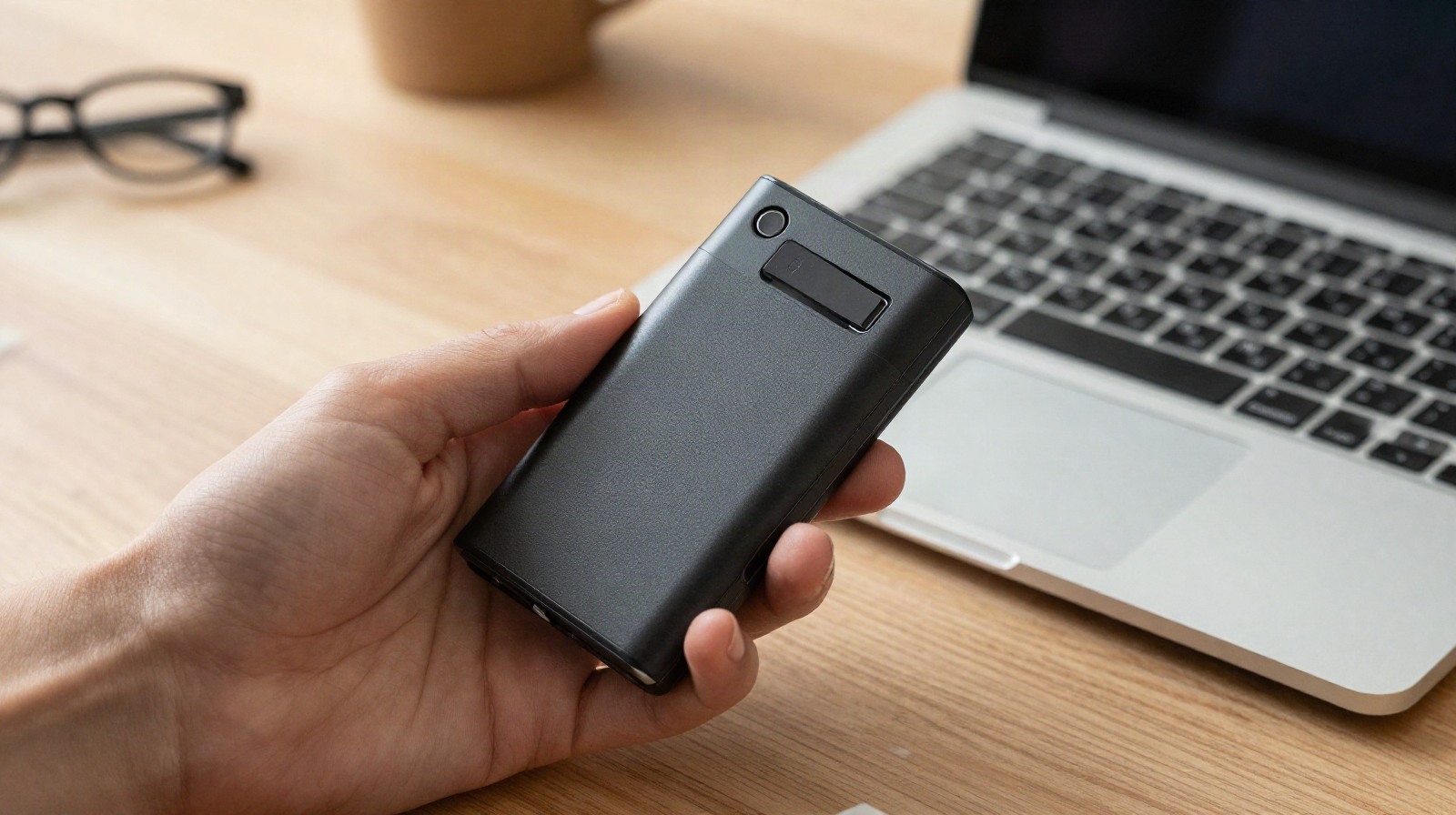
- A hardware wallet, which keeps your private key offline and isolated from malware, covering the most common way individual wallets actually get compromised.
- A written seed phrase backup, stored securely, which protects against device loss rather than theft.
The tradeoff in plain terms
Multi-sig protects against a compromised or malicious single key holder. Individual collectors are their own single key holder, so that specific threat doesn’t apply the same way, while the coordination overhead very much does. It’s the right tool when trust has to be distributed across multiple people. It’s the wrong tool when there’s only one person to begin with.
If you’re still deciding
Ask who else needs the ability to approve a transaction. If the honest answer is nobody, a hardware wallet paired with a securely stored seed phrase gets you most of the same protection with none of the added complexity. If the honest answer is a co-founder, a DAO, or a business partner, multi-sig is worth setting up correctly from the start, ideally with the help of someone who has configured a Safe before.