NFT is short for immutable tokens. These NFTs are essentially diverse digital collections created by digital creators and sold as digital assets. NFTs share many features with famous cryptocurrencies such as #Litecoin, #Dogecoin or #Bitcoin. For example, they all depend on blockchain technology.
However, there is a fundamental difference between NFTs and the regular cryptocurrencies mentioned above. The NFT token is not interchangeable and cannot be successfully used as a medium of exchange. Think of a famous musician like Michael Jackson; If you own that album, you cannot replace it with another album by an upcoming artist of the same value.
To buy and sell NFT, you need to have ERC-20 tokens running on the Ethereum network, similar to #Ethereum. Because printing NFTs requires the use of a smart contract, it is nearly impossible to have NFTs on blockchains that do not support smart contracts.
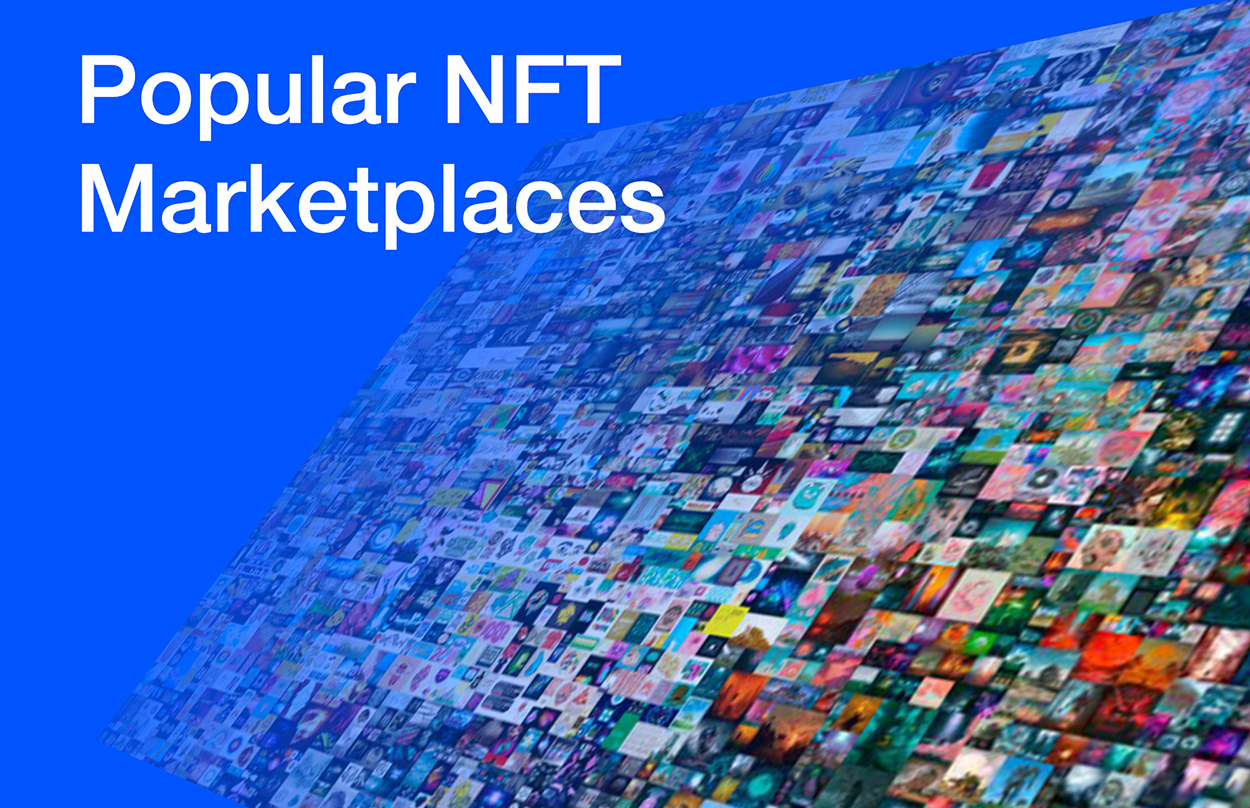
Once you’ve set up and funded your wallet, you’ll have no shortage of NFT sites to shop. Currently, the largest NFT #marketplaces are:
• #OpenSea.Io : This peer-to-peer platform sees itself as a supplier of “rare digital items and collectibles”. To get started, all you have to do is create an account to browse the NFT collections. You can also sort tracks by sales volume to discover new artists.
• #Rarible : Similar to OpenSea, Rarible is a democratic, open marketplace that allows artists and creators to publish and sell NFTs. RARI tokens displayed on the platform allow holders to weigh in on features like fees and community rules.
• #Basic: Here, artists must get a “upvote” or call from other creators to publish their art. The exclusivity of the community and the cost of entry—artists must also purchase “gas” to print NFTs—means it can boast of higher caliber artworks. For example, Nyan Cat creator Chris Torres sold NFT on the Foundation platform. It can also mean higher prices – certainly not a bad thing for artists and collectors looking to earn money, assuming demand for NFTs remains at current levels and even increases over time.
While these platforms and others are home to thousands of NFT creators and collectors, be sure to do your research carefully before purchasing.
Some artists have fallen prey to mirror artists who list and sell their work without their permission.
Additionally, the verification processes for creators and NFT listings are not consistent across platforms – some more strict than others. For example, OpenSea and Rarible do not require owner verification for NFT listings. Buyer protections seem sparse at best, so it may be best to keep the old adage “alert buyer” (let the buyer beware) in mind when shopping for NFTs.