ERC-721 vs. ERC-1155: What’s the Difference Between NFT Token Standards?
ERC-721 and ERC-1155 are the two Ethereum token standards that make NFTs work. ERC-721 was proposed in January 2018 by William Entriken, Dieter Shirley, Jacob […]
ERC-721 and ERC-1155 are the two Ethereum token standards that make NFTs work. ERC-721 was proposed in January 2018 by William Entriken, Dieter Shirley, Jacob […]
Gas fees are payments you make to a blockchain network to process an NFT transaction. Here’s how Ethereum’s fee structure works, why fees spike during mints, and how to pay less.

In March 2022, attackers drained $625 million from the Ronin bridge behind Axie Infinity. Here is how the hack worked, who was behind it, and what it teaches NFT owners.
Minting an NFT means sending a transaction that creates the token for the first time and records your wallet as its owner. Here is what the contract actually does, how a mint differs from a marketplace purchase, and why a failed mint still costs you.
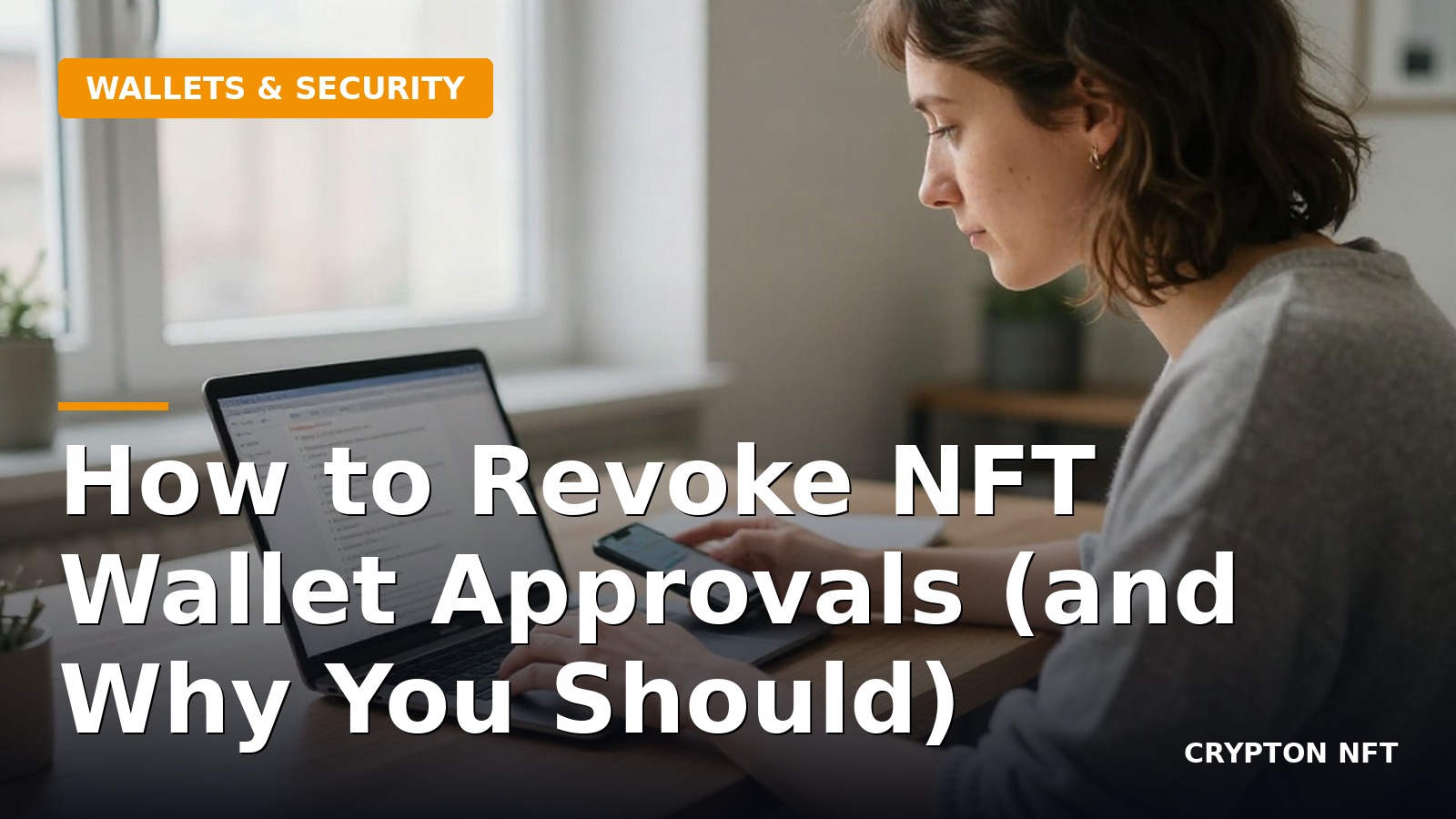
Old approvals can let a hacked contract move your NFTs. Learn how to check and revoke wallet permissions with Revoke.cash or Etherscan, and how often to do it.
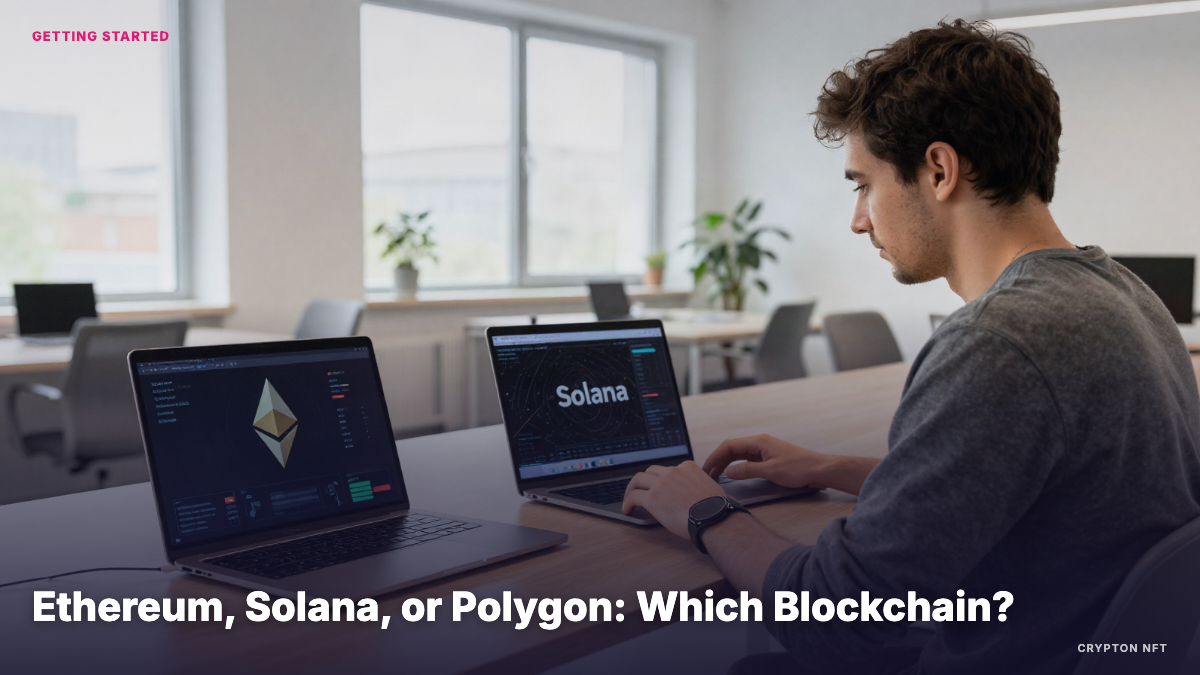
Quick answer: Ethereum has the deepest liquidity and the most established collections, but fees can spike. Solana is fast and cheap. Polygon is a low-cost middle ground.
Copyright © 2026 Crypton NFT