
The Ronin Bridge Hack: How Axie Infinity Lost $625 Million
In March 2022, attackers drained $625 million from the Ronin bridge behind Axie Infinity. Here is how the hack worked, who was behind it, and what it teaches NFT owners.
In March 2022, attackers drained $625 million from the Ronin bridge behind Axie Infinity. Here is how the hack worked, who was behind it, and what it teaches NFT owners.
NFT offers let buyers name their price. Here is how item, collection and trait offers work, where your WETH sits, and what to check before accepting one.
A burner wallet isolates a risky NFT mint to a throwaway address. It only works if the burner has its own recovery phrase and you empty it the same day.
Minting an NFT means sending a transaction that creates the token for the first time and records your wallet as its owner. Here is what the contract actually does, how a mint differs from a marketplace purchase, and why a failed mint still costs you.
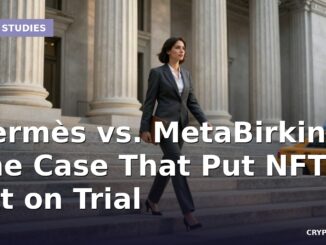
Hermès sued the artist behind 100 MetaBirkins NFTs and won a $133,000 jury verdict in 2023. What the first NFT trademark trial actually decided, and what it left for the people holding the tokens.
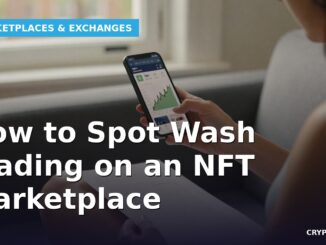
Wash trading is when someone buys and sells the same NFT between wallets they control, inflating volume without real demand. Here is how to spot it from a collection page.
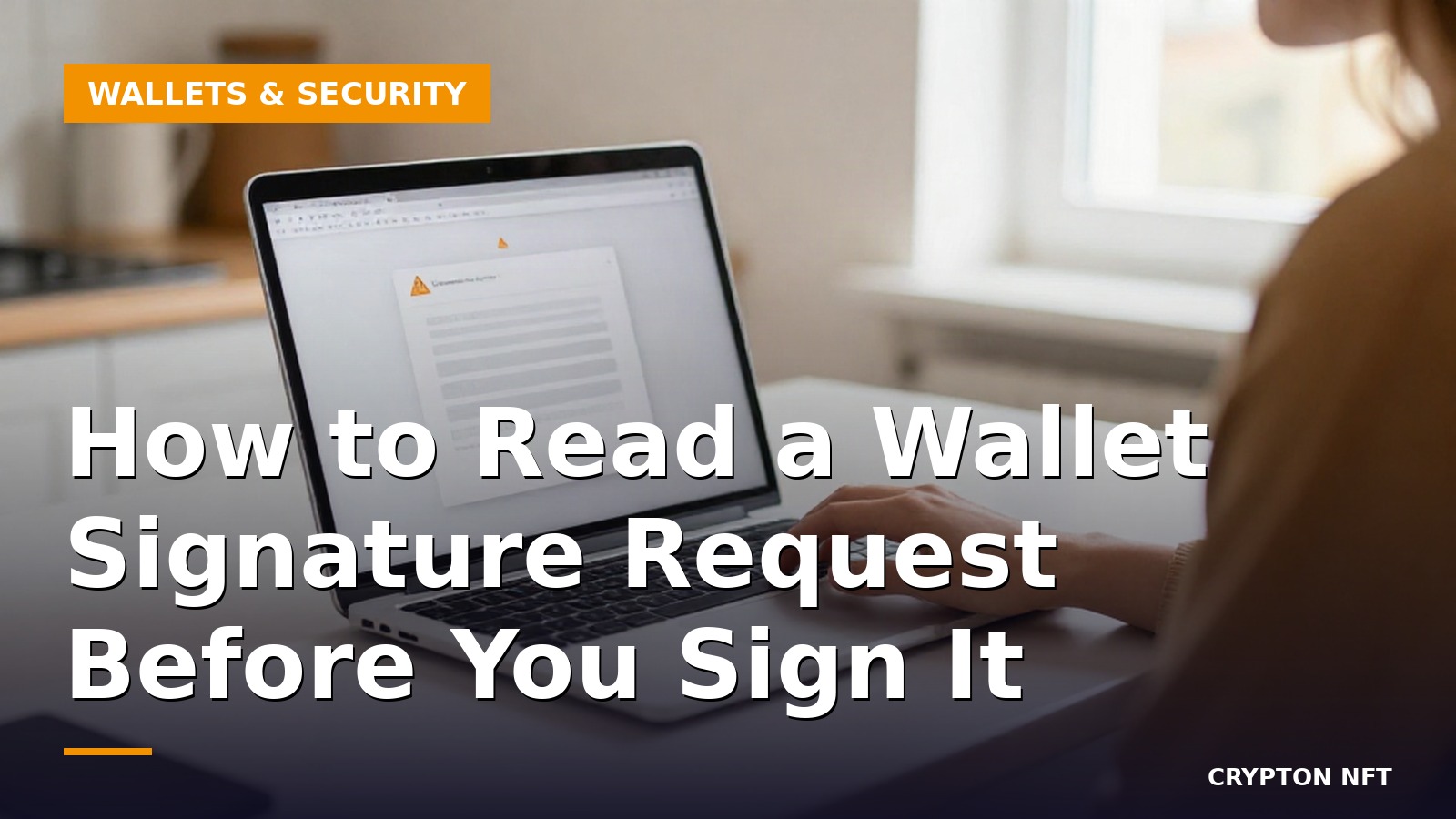
A signature request costs no gas and leaves no on-chain record, which is why most NFT theft now starts there. How to read the prompt before you approve it.

Asking prices are not valuations. How to read floor price, volume and rarity, and why the bid side is the number that decides what you can actually sell for.

Nike closed RTFKT in January 2025. Clone X tokens stayed on Ethereum, but the artwork briefly went offline. What happened and what holders should learn.
If an NFT marketplace shuts down, self-custody holders usually keep everything, because the token stays on the blockchain. Custodial balances and centrally hosted artwork are where real losses happen.
Copyright © 2026 Crypton NFT