Quick answer: check three things before buying into any new NFT project. Is the team public and verifiable, does the roadmap promise unrealistic returns, and does the smart contract have any independent audit or at least a transparent, verified source code. If a project fails more than one of those, treat it as a pass, not a maybe.
Why new projects are the riskiest purchase
An established collection with years of trading history is relatively easy to evaluate. A brand-new project, minting for the first time, gives you almost nothing to go on except what the team tells you about themselves. That imbalance is exactly what scam projects rely on.
Red flag: an anonymous or unverifiable team
Anonymity by itself isn’t automatically a red flag. Some legitimate, long-running projects are led by pseudonymous founders. What matters is whether that pseudonymous identity has a track record you can actually check: a consistent public profile, past projects, engagement that predates the current launch. A “team” that appeared three weeks ago with no history anywhere is a different situation entirely.
Red flag: guaranteed returns or aggressive price targets
Nobody can guarantee that an NFT’s value will increase. Any project marketing itself around a specific future price, a “guaranteed” floor, or promises like “10x by next month” is using language that has no basis in how markets actually work. This is one of the most reliable scam indicators, because legitimate projects rarely make this kind of claim; they know they can’t back it up.
Red flag: pressure to act immediately
Countdown timers, “only 12 spots left” messaging, and repeated urgency in a project’s Discord are classic pressure tactics. They’re designed to get you to buy before you’ve had time to check anything on this list. A project confident in its own value doesn’t need to rush you.
What to actually check before minting
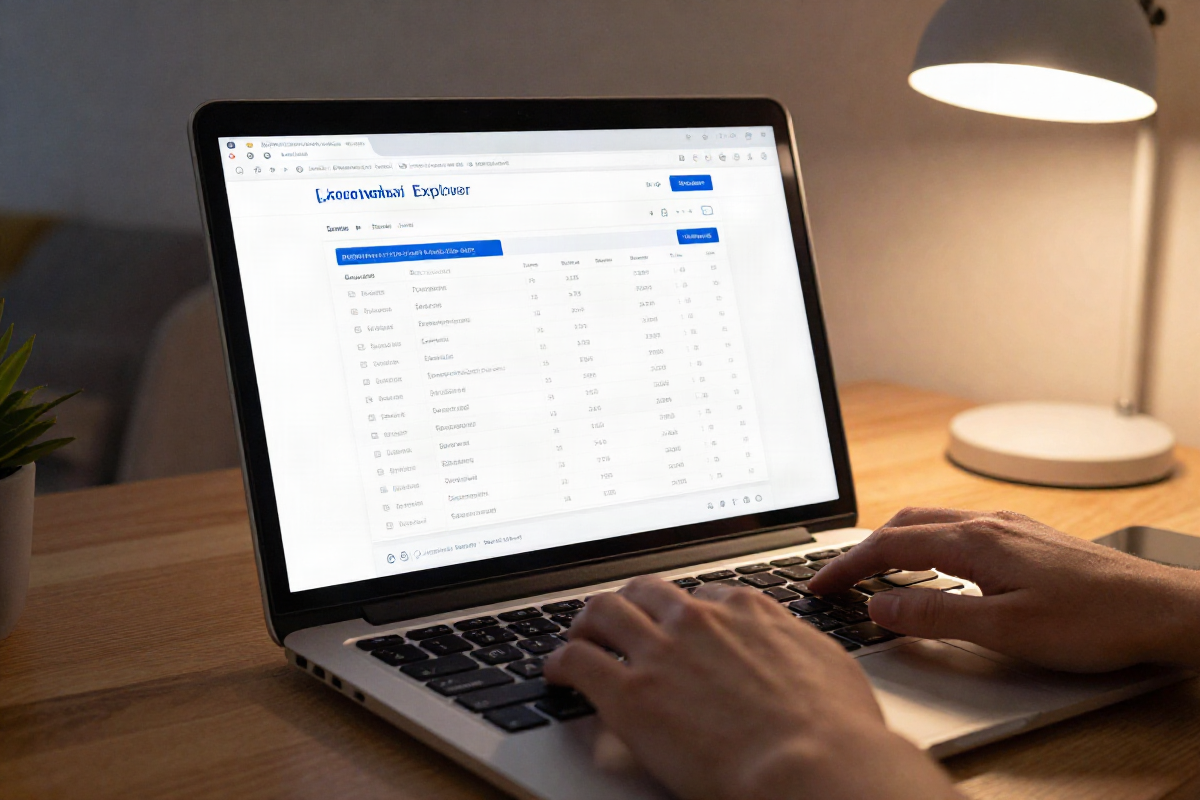
- The contract address. Search it on a block explorer like Etherscan or Solscan. Look at whether the contract is verified (source code publicly readable) and check the deployer wallet’s history for other suspicious projects.
- The team’s other work. If they claim past projects, look them up independently rather than trusting a bio page. A five-minute search often reveals whether a claimed track record actually exists.
- Where the mint funds go. Legitimate projects are usually upfront about how mint proceeds are allocated (team, development, marketing, treasury). Vague or absent answers to a direct question about this are worth noting.
- Community quality over community size. A large Discord can be bought with bots. Look at whether members are asking genuine questions and getting real answers, not just posting hype emojis.
What a rug pull actually looks like
A rug pull happens when a project’s creators mint, collect the funds from buyers, then abandon the project entirely, deleting social accounts and disappearing. It’s the worst-case outcome, and it’s exactly why the checks above matter before you commit funds, not after. Once a project has your money, there’s typically no recourse. Blockchain transactions can’t be reversed, and anonymous teams are, by definition, hard to trace.
The bottom line
None of these checks take more than a few minutes each, and together they filter out the large majority of bad actors in the space. If a project can’t clear a basic check on team, claims, and contract transparency, the safest move is simply to skip it and wait for the next one. There’s no shortage of NFT projects launching every week; there’s no need to take a risk on one that raises red flags.
Once you’ve found a project you trust, our guide to buying your first NFT covers the actual purchase process step by step.
Leave a Reply